7 Things to Know Before Starting a Custom Pool Installation Project
A custom pool installation project is one of the most valuable outdoor investments a homeowner can make. Beyond creating a space for relaxation and entertainment, a well-designed pool can improve property value, enhance curb appeal, and transform an underused backyard into a functional extension of the home. However, building a custom swimming pool involves much more than choosing a shape or selecting tile colors. From zoning regulations and soil conditions to budgeting and long-term maintenance planning, every stage requires careful preparation. Without proper guidance, unexpected delays, structural issues, or rising costs can quickly turn an exciting project into a stressful experience.
Modern pool construction continues to evolve with advanced materials, energy-efficient systems, smart automation, and personalized design features. Homeowners now expect pools that combine beauty, durability, and convenience while fitting seamlessly into outdoor living spaces. Before excavation begins, understanding the most important factors behind a successful installation can help prevent costly mistakes and improve long-term satisfaction. Knowing what to expect during planning, construction, and post-installation maintenance allows homeowners to make informed decisions that support functionality, safety, and lasting value for years to come.
1. Define the Purpose and Long-Term Goals of the Pool
Understand How the Pool Will Be Used
Before selecting materials or requesting estimates, homeowners should determine the primary purpose of the pool. Some installations focus on family recreation, while others prioritize fitness, entertaining guests, or luxury aesthetics. A clear vision influences the size, depth, shape, and added features included in the design.
For example, a family-focused pool may require shallow lounging areas, built-in safety ledges, and durable finishes. A fitness-oriented installation may benefit from lap lanes or resistance jets. Defining goals early prevents design revisions later in the process.
Plan Beyond Current Needs
A custom pool should support future lifestyle needs as well as present preferences. Families with young children may eventually want deeper swimming areas, while homeowners planning to age in place may prefer easier access features and automated maintenance systems.
Long-term planning also affects resale value. Pools designed with broad appeal, balanced layouts, and functional outdoor integration often attract future buyers more effectively than overly customized or impractical installations.
Consider Outdoor Space Integration
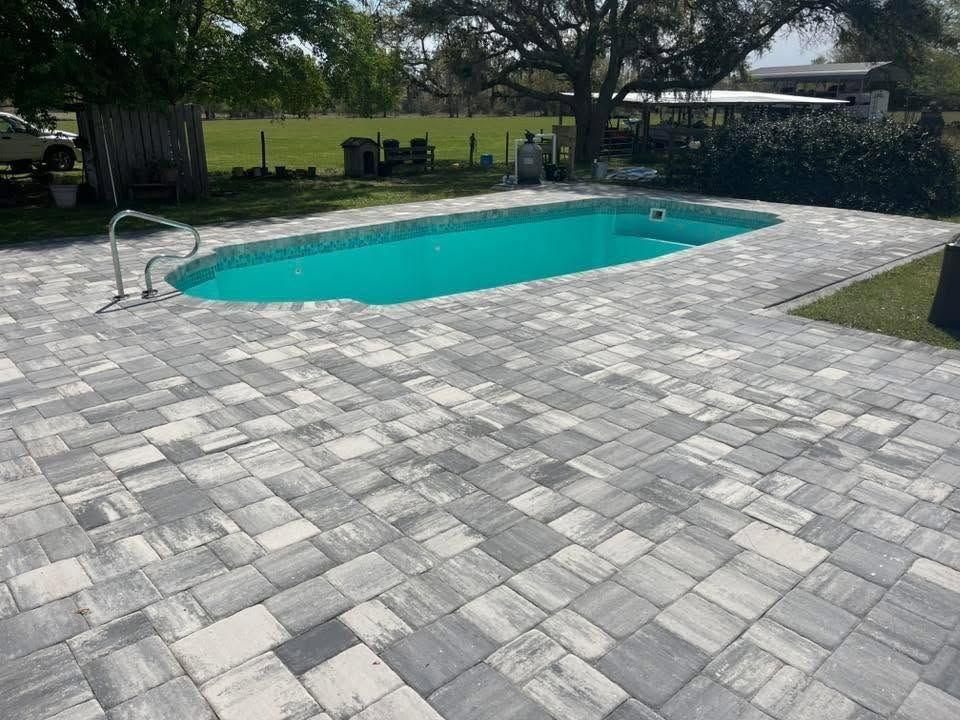
A pool should complement the entire property instead of functioning as a separate feature. Patios, landscaping, outdoor kitchens, lighting systems, and seating areas all contribute to usability and visual appeal. Coordinating these elements early creates a cohesive outdoor environment while reducing future renovation expenses.
2. Set a Realistic Budget Before Construction Begins
Understand What Impacts Pool Installation Costs
Custom pool pricing varies significantly based on design complexity, materials, excavation difficulty, permits, and optional features. Many homeowners initially focus only on the pool shell without accounting for surrounding construction and ongoing operational expenses.
Factors influencing costs include:
Pool Size and Shape
Larger pools require more excavation, materials, plumbing, and labor. Irregular shapes may also increase engineering and construction complexity.
Material Selection
Concrete, fiberglass, and vinyl-lined pools each offer different durability levels, customization options, and maintenance requirements.
Added Features
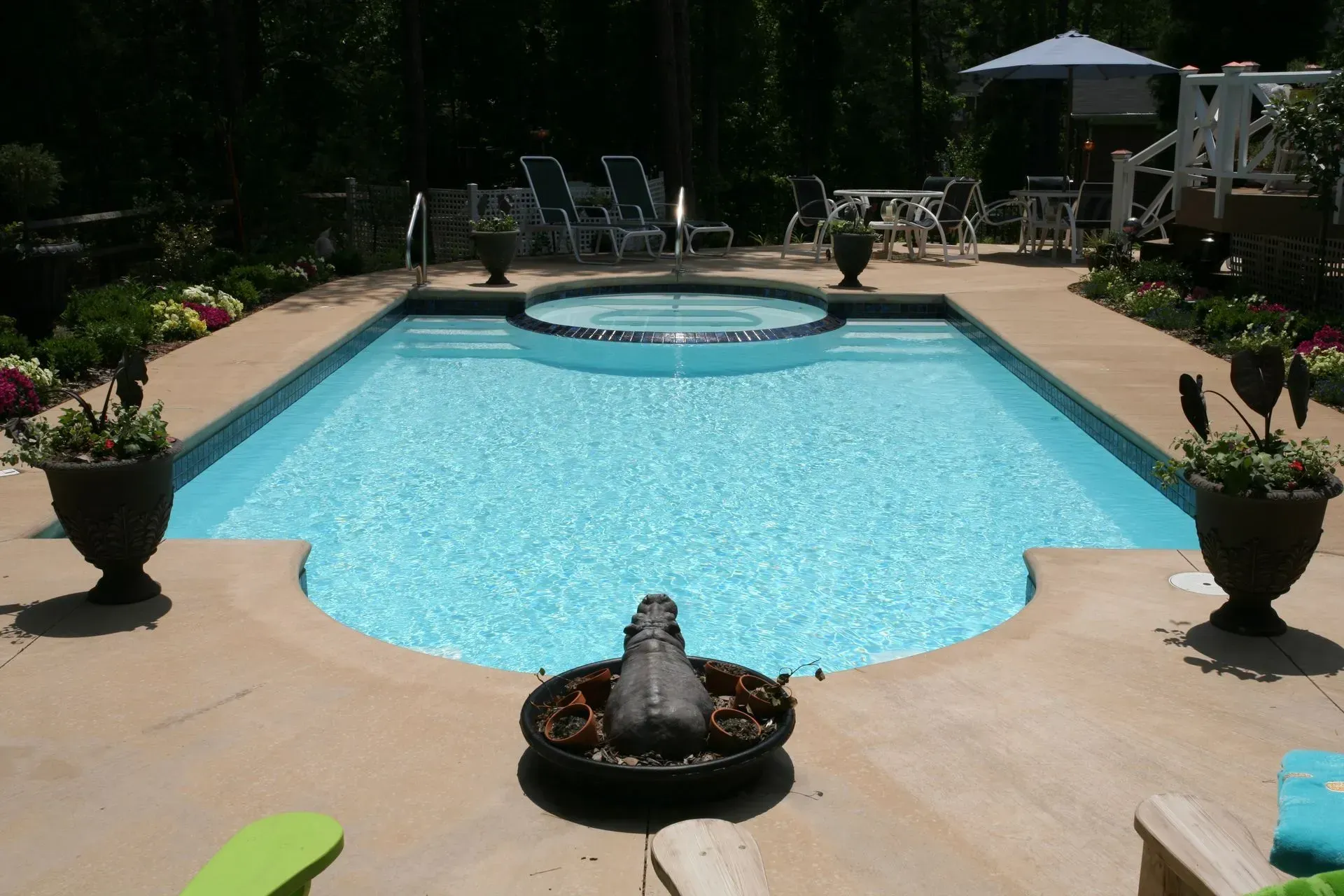
Waterfalls, tanning ledges, spas, heating systems, fire features, and automation systems increase both installation and operating costs.
Prepare for Unexpected Expenses
Unexpected costs are common during excavation and utility preparation. Poor soil conditions, underground obstacles, drainage corrections, or municipal compliance updates may affect the final budget.
Setting aside contingency funds helps reduce financial strain if adjustments become necessary. Industry professionals often recommend reserving an additional percentage of the overall budget for unforeseen conditions.
Evaluate Long-Term Ownership Costs
Installation is only part of the financial commitment. Homeowners should also consider:
- Water and energy usage
- Chemical balancing
- Equipment maintenance
- Seasonal cleaning
- Surface refinishing
- Insurance adjustments
Energy-efficient pumps, LED lighting, and automation systems may require higher initial investments but often reduce operating costs over time.
Beyond the pool itself, enhancing outdoor living spaces complements the overall backyard oasis. Consider installing pergolas, shaded lounging areas, outdoor kitchens, fire pits, or seating zones. These additions encourage social gatherings, increase functionality, and contribute to a cohesive environment that extends the use of the backyard beyond swimming.
Outdoor Living Enhancements
3. Research Local Regulations, Permits, and Site Conditions
Understand Local Building Requirements
Every municipality has regulations governing pool construction. Permit approvals, setback requirements, fencing standards, electrical codes, and drainage rules vary by location. Ignoring compliance requirements can result in fines, delays, or forced modifications after construction begins.
Professional contractors typically assist with permitting processes, inspections, and code compliance. Even so, homeowners should understand major requirements before committing to a design.
Evaluate Soil and Drainage Conditions
Ground conditions directly impact structural stability and construction timelines. Rocky terrain, unstable soil, or poor drainage can complicate excavation and increase costs.
A thorough site evaluation may identify issues such as:
- Water retention problems
- Tree root interference
- Sloped terrain challenges
- Utility conflicts
- Soil movement risks
Addressing these concerns before excavation helps avoid structural complications later.
Consider Accessibility for Construction Equipment
Limited backyard access can affect installation logistics. Excavators, concrete trucks, and material delivery vehicles require adequate entry points. Restricted access may increase labor costs or require specialized equipment.
For example, narrow side yards or fenced properties sometimes require crane operations or manual excavation methods, extending project timelines.
Sustainable Landscaping Practices
Sustainable landscaping minimizes environmental impact and reduces long-term maintenance. Employ drought-tolerant plants, permeable surfaces, and efficient irrigation systems to conserve water and energy. Rain gardens, native plantings, and shaded areas reduce runoff and maintain soil health. These practices align with eco-conscious design without compromising style or function.
4. Choose the Right Pool Design and Construction Materials
Compare Pool Material Options
Selecting the right construction material affects appearance, durability, maintenance, and customization possibilities.
Concrete Pools
Concrete pools offer maximum design flexibility and support unique shapes, integrated spas, and luxury features. However, installation timelines are longer, and surfaces may require resurfacing over time.
Fiberglass Pools
Fiberglass pools install faster and typically require less maintenance due to smooth surfaces that resist algae growth. Design flexibility may be more limited compared to concrete options.
Vinyl-Lined Pools
Vinyl-lined pools often involve lower upfront costs but may require liner replacements periodically, depending on wear and environmental conditions.
Balance Aesthetics With Functionality
Visual appeal matters, but practical performance should remain a priority. Dark interior finishes may create elegant appearances, but can absorb more heat. Large water features may look impressive, but they increase maintenance needs and utility expenses.
A balanced design considers:
- Safety
- Ease of cleaning
- Energy efficiency
- Comfort
- Long-term durability
5. Understand the Installation Timeline and Construction Process
Pool Construction Requires Multiple Phases
Many homeowners underestimate how many stages are involved in custom pool construction. Delays are possible due to weather, inspections, supply chain disruptions, or design adjustments.
A typical installation process includes:
Design and Engineering
Initial planning includes layout development, measurements, structural calculations, and permit preparation.
Excavation
Heavy equipment removes soil according to engineering specifications.
Plumbing and Electrical Installation
Underground systems for circulation, lighting, drainage, and automation are installed before structural work progresses.
Structural Construction
Concrete application, shell placement, or framing occurs depending on the pool type.
Finishing and Landscaping
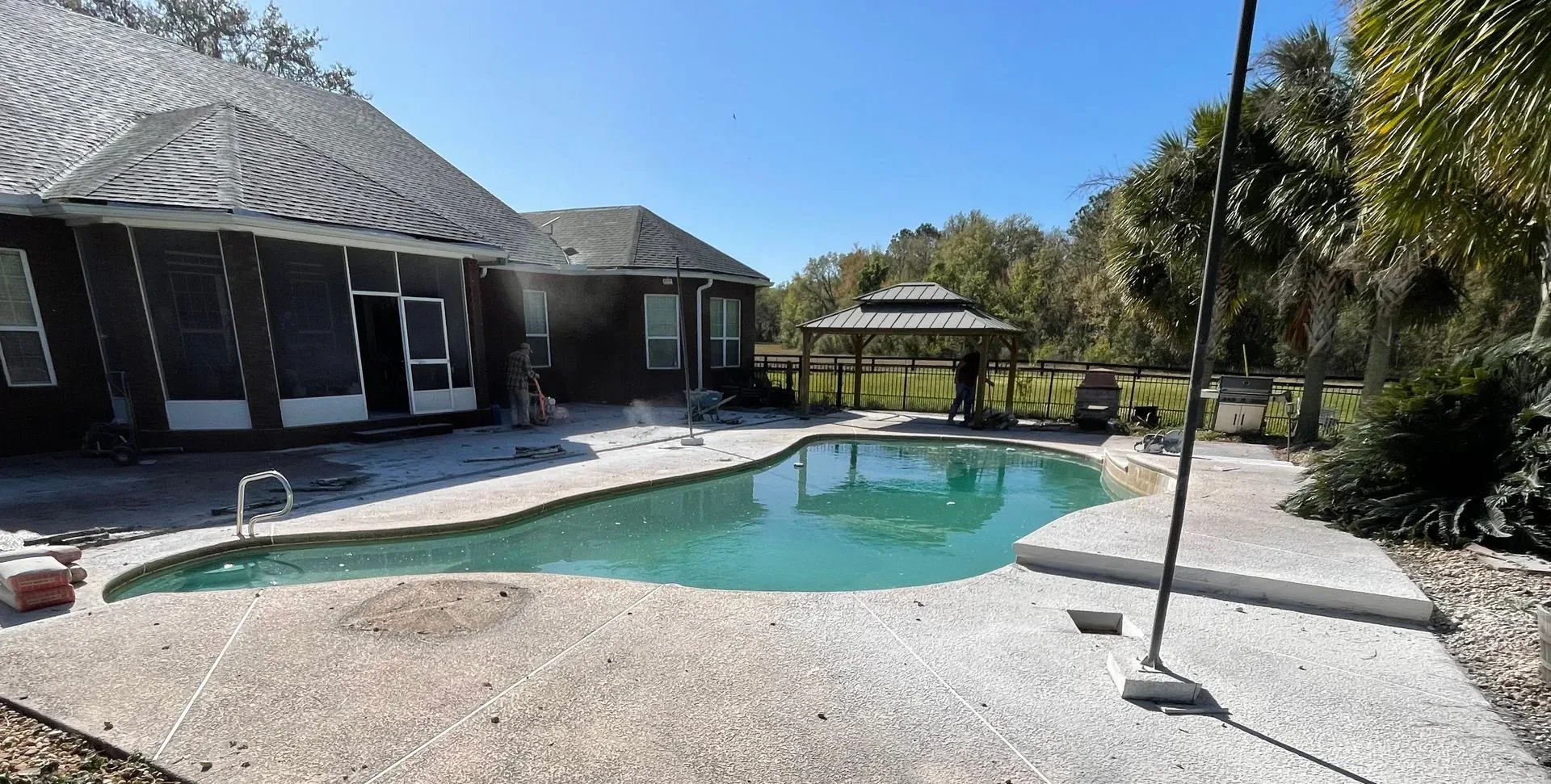
Tile, coping, decking, plaster, and landscaping complete the project.
Communication Improves Project Success
Consistent communication between homeowners and contractors supports smoother progress. Regular updates help identify concerns early while maintaining realistic expectations about timelines and budget adjustments.
Documented project schedules, design approvals, and change orders also improve transparency throughout construction.
Sustainable Landscaping Practices
Sustainable landscaping minimizes environmental impact and reduces long-term maintenance. Employ drought-tolerant plants, permeable surfaces, and efficient irrigation systems to conserve water and energy. Rain gardens, native plantings, and shaded areas reduce runoff and maintain soil health. These practices align with eco-conscious design without compromising style or function.
6. Prioritize Safety Features and Energy Efficiency
Safety Should Be Part of the Initial Design
Safety planning should never become an afterthought. Proper safety measures protect children, guests, and pets while supporting compliance with local regulations.
Important safety considerations include:
- Fencing and self-latching gates
- Slip-resistant decking
- Pool alarms
- Safety covers
- Adequate lighting
- Clearly defined depth markers
Families with children often benefit from shallow entry points and clearly separated swim zones.
Invest in Energy-Efficient Technology
Modern pool systems offer significant opportunities for energy savings. Efficient equipment reduces operational expenses while supporting environmentally responsible pool ownership.
Variable-Speed Pumps
These systems consume less electricity compared to traditional single-speed pumps.
LED Lighting
LED systems last longer and use less energy while improving nighttime visibility.
Smart Automation
Automated controls allow homeowners to manage heating, lighting, filtration, and cleaning remotely.
Reduce Maintenance Through Smart Design
Strategic pool orientation, landscaping, and filtration planning can reduce debris accumulation and improve water circulation. Efficient designs simplify routine cleaning and help maintain balanced water quality more consistently.
7. Work With an Experienced and Transparent Pool Contractor
Evaluate Industry Experience and Project Expertise
Choosing the right pool contractor is one of the most important decisions in the entire installation process. A qualified contractor helps streamline planning, maintain code compliance, manage timelines, and reduce the likelihood of costly construction mistakes. Experience often reflects a contractor’s ability to handle site challenges, material selection, structural engineering requirements, and customized design requests effectively.
Homeowners should review completed projects, customer feedback, certifications, and licensing information before signing any agreement. Contractors with extensive installation experience are generally better prepared to identify potential issues early and recommend practical solutions that support long-term durability and functionality.
Prioritize Clear Communication and Detailed Proposals
Transparent communication plays a major role in project success. Homeowners should receive detailed proposals outlining:
- Scope of work
- Material specifications
- Estimated timelines
- Payment schedules
- Warranty coverage
- Equipment details
- Permit responsibilities
Vague estimates or incomplete contracts can lead to misunderstandings during construction. Clear documentation helps establish expectations while improving accountability throughout the project.
Professional Pool Construction Services Designed for Lasting Performance
For homeowners seeking dependable guidance throughout a custom pool installation project, Selenity Pools delivers professional craftsmanship, detailed planning, and long-term value-focused solutions. As a trusted pool contractor serving Keystone Heights, Florida, we understand the importance of balancing aesthetics, structural integrity, efficiency, and functionality in every installation. With more than 27 years of industry experience, we approach every project with a commitment to quality construction standards, transparent communication, and personalized service designed around each property’s unique needs.
Our process focuses on helping homeowners make informed decisions from the earliest design stages through final project completion. We prioritize durable materials, advanced equipment systems, efficient layouts, and practical outdoor integration to support reliable performance for years to come. By combining proven installation methods with attention to detail and customer-focused planning, we continue to deliver pool construction solutions that support safety, comfort, efficiency, and long-term satisfaction for homeowners throughout the region.