Custom pool installation: how to design your dream backyard oasis
Designing a backyard oasis goes beyond installing a pool; it is about creating a personal retreat that combines relaxation, entertainment, and aesthetic appeal. A custom pool installation offers homeowners the freedom to tailor every aspect of their outdoor space, from the shape and size of the pool to surrounding landscaping and functional amenities. With the rise of luxury outdoor living trends, investing in a pool that reflects personal style and enhances property value has become increasingly popular. Each element, from water features to lighting, contributes to an immersive experience that transforms an ordinary backyard into a serene escape. Thoughtful integration of seating areas, shaded lounges, and outdoor kitchens further enhances usability, ensuring the space accommodates both everyday enjoyment and social gatherings.
A custom pool project requires thoughtful planning and strategic decision-making to achieve a harmonious balance between form and function. Homeowners are now exploring innovative designs such as infinity edges, vanishing spas, integrated fire features, and sustainable options like energy-efficient pumps and eco-friendly surfaces. By understanding the key design principles, material choices, and installation considerations, anyone can navigate the complexities of pool construction while ensuring long-term satisfaction. Selecting complementary landscaping, lighting schemes, and safety measures also plays a vital role in creating a cohesive and inviting outdoor environment. This guide provides actionable insights for creating a personalized backyard sanctuary, offering step-by-step considerations and expert advice to turn a vision into a reality.
Planning Your Custom Pool Design
Planning Your Custom Pool Design
The first step in designing a backyard oasis involves evaluating available space and existing landscape features. Accurate measurements, slope considerations, and accessibility points are crucial for ensuring the pool fits naturally within the outdoor environment. Identify areas for lounging, dining, and entertainment to integrate seamlessly with the pool. This holistic approach prevents overcrowding and maximizes usability, allowing for a cohesive and functional outdoor space.
Establishing Goals and Priorities
Defining goals for the pool installation guides every design decision. Prioritize features such as lap swimming, entertaining, child-friendly areas, or spa-like relaxation zones. Consider long-term needs, including future landscaping or outdoor kitchen installations, to avoid costly redesigns. Setting a clear vision ensures the pool aligns with lifestyle expectations while providing a framework for budget allocation and material selection.
Budgeting and Financing
Developing a realistic budget is essential for successful pool design. Custom pools range widely in cost depending on size, materials, and additional features. Allocate funds for construction, permits, landscaping, and maintenance equipment. Explore financing options and compare contractor estimates to ensure alignment with financial constraints. Proper budgeting prevents delays and ensures a high-quality final product that delivers lasting value.
Choosing Pool Types and Materials
Concrete Pools
Concrete pools provide unmatched durability and design flexibility. They can be sculpted into virtually any shape, allowing for unique, artistic designs tailored to the backyard’s aesthetic. Concrete pools support features like waterfalls, built-in spas, and custom lighting, making them ideal for luxury installations. While construction time is longer and maintenance slightly higher, the longevity and versatility often outweigh these considerations.
Fiberglass Pools
Fiberglass pools offer pre-fabricated designs that allow for faster installation and lower maintenance. Smooth surfaces resist algae growth and require fewer chemicals, simplifying upkeep. Although design options are limited compared to concrete, fiberglass pools are cost-effective solutions for homeowners seeking durability with minimal ongoing effort. Integrating fiberglass pools into existing landscapes is easier due to the shorter construction timeline.
Vinyl Liner Pools
Vinyl liner pools are popular for budget-conscious homeowners, providing a clean finish at a lower initial cost. Customization is possible through various liner patterns and textures. However, liners may require replacement every 7–15 years, and they are less suited for highly irregular designs. Despite these limitations, vinyl pools remain attractive options for families seeking affordability combined with aesthetic appeal.
Material Selection Considerations
Material choice influences durability, maintenance, and visual impact. Concrete allows intricate detailing but requires periodic resurfacing. Fiberglass ensures low maintenance and fast installation but may limit shapes. Vinyl liners offer flexibility in size and color but have shorter lifespans. Evaluating lifestyle needs, local climate, and long-term goals ensures the material selected supports the backyard vision.
Incorporating Design Features and Amenities
Water Features
Adding water features such as fountains, waterfalls, or bubblers enhances visual appeal and creates soothing soundscapes. Cascading waterfalls offer a luxurious ambiance, while smaller bubblers and jets provide dynamic movement and playful interaction. Water features also support natural aeration, improving water quality. Strategic placement ensures balance with lounging areas and landscape design.
Lighting Solutions
Pool lighting transforms the backyard at night, highlighting architectural features and creating mood. Options include underwater LED lights, fiber optic systems, and color-changing features for customizable ambiance. Lighting placement can emphasize pathways, steps, or water features while enhancing safety during nighttime use. Integrating energy-efficient solutions reduces operating costs and environmental impact.
Integrated Spas and Hot Tubs
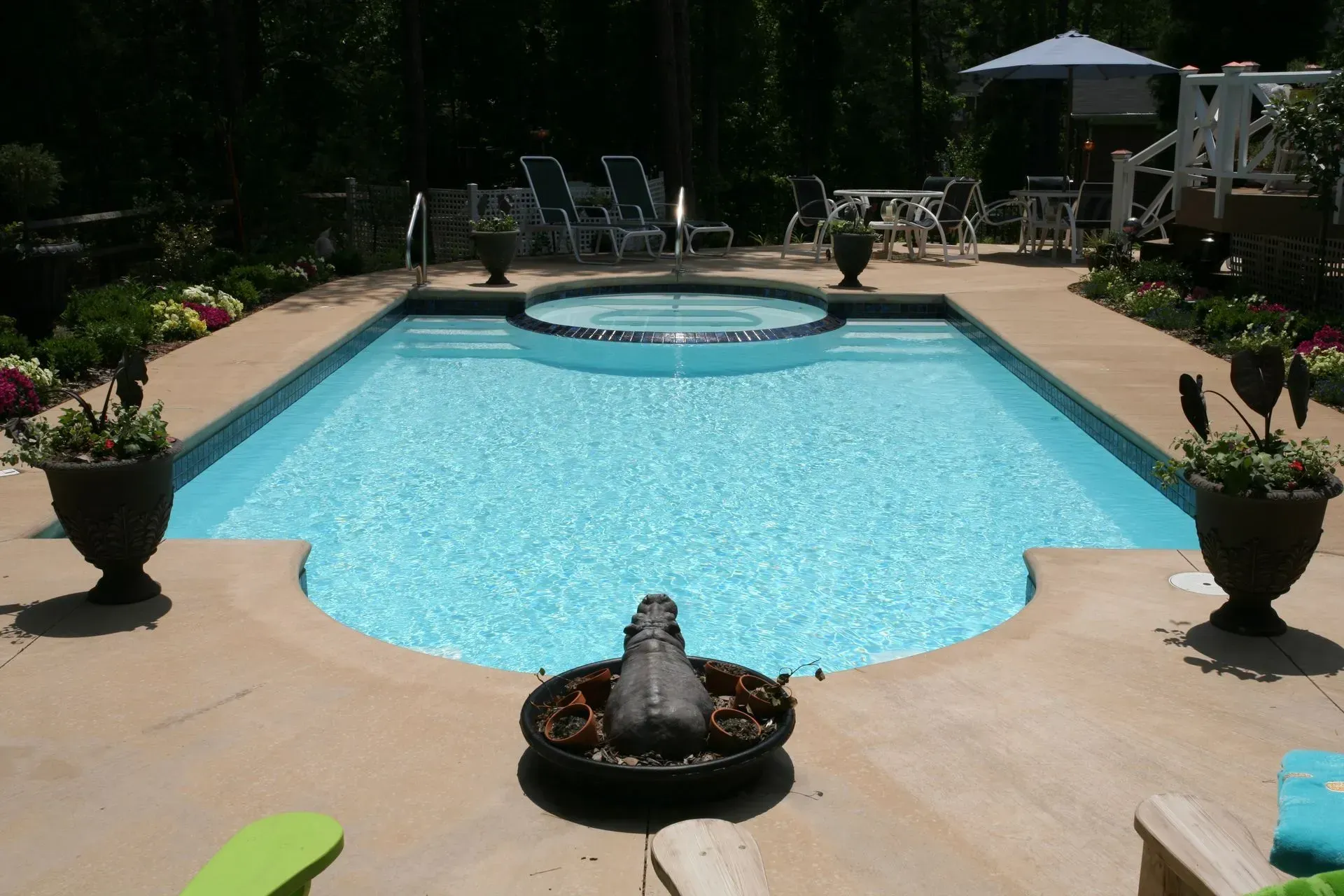
Incorporating spas or hot tubs elevates the pool experience, offering therapeutic benefits such as stress relief, improved circulation, and muscle relaxation. Integrated designs blend seamlessly with the main pool, maintaining aesthetic cohesion. Adjustable temperature and jet controls provide personalized comfort, while compact designs fit within smaller backyard spaces without sacrificing luxury.
Outdoor Living Enhancements
Beyond the pool itself, enhancing outdoor living spaces complements the overall backyard oasis. Consider installing pergolas, shaded lounging areas, outdoor kitchens, fire pits, or seating zones. These additions encourage social gatherings, increase functionality, and contribute to a cohesive environment that extends the use of the backyard beyond swimming.
Landscaping and Surrounding Environment
Plant Selection and Garden Integration
Landscape design around a pool shapes the atmosphere and enhances visual appeal. Choose plants that thrive in poolside conditions, resist heavy watering, and minimize debris in the water. Tropical foliage, ornamental grasses, and flowering shrubs provide color and texture while complementing the pool’s aesthetic. Incorporating native plants reduces maintenance and supports sustainable gardening practices.
Hardscaping and Decking
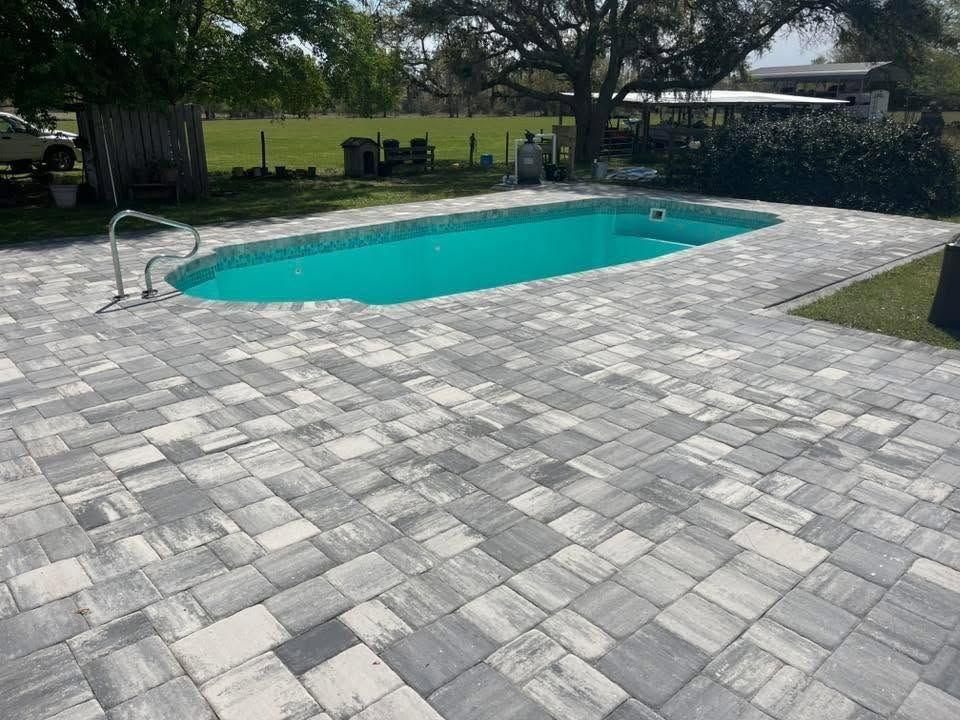
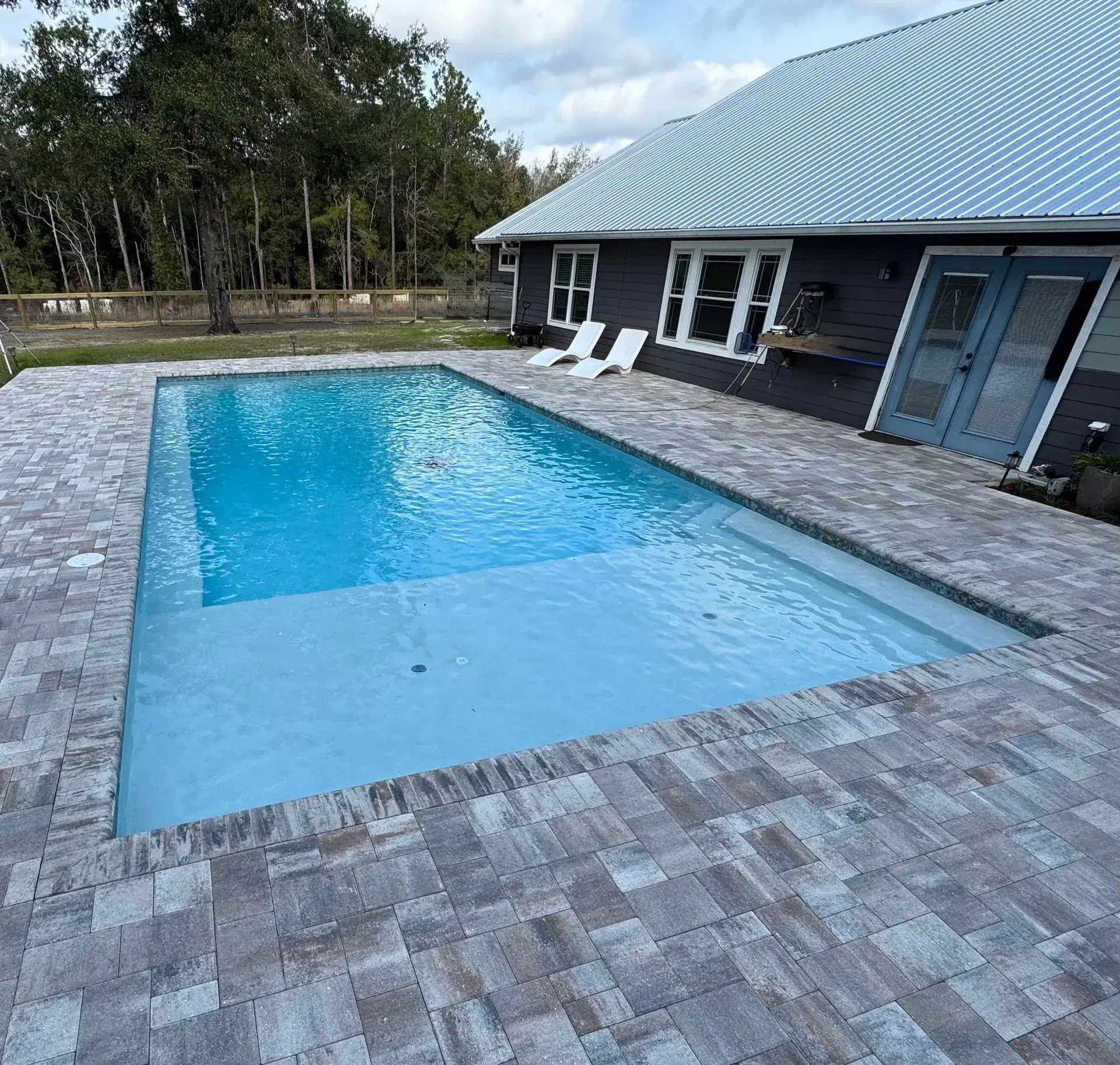
Hardscape elements like patios, walkways, and retaining walls create functional zones and contribute to pool safety. Decking materials such as natural stone, concrete pavers, or composite wood offer durability, slip resistance, and style options. Designing smooth transitions between pool, garden, and outdoor living areas creates an inviting environment that enhances overall usability.
Shade and Privacy Considerations
Incorporating shade structures and privacy screens improves comfort and usability. Pergolas, cabanas, and retractable awnings provide relief from sun exposure, while privacy fences, hedges, and decorative screens maintain seclusion. Balancing sun and shade ensures the pool area is usable throughout the day while preserving aesthetic harmony with the surrounding environment.
Sustainable Landscaping Practices
Sustainable landscaping minimizes environmental impact and reduces long-term maintenance. Employ drought-tolerant plants, permeable surfaces, and efficient irrigation systems to conserve water and energy. Rain gardens, native plantings, and shaded areas reduce runoff and maintain soil health. These practices align with eco-conscious design without compromising style or function.
Installation Process and Project Management
Site Preparation and Excavation
Successful pool installation begins with thorough site preparation. Excavation must account for soil type, grading, and drainage requirements. Removing obstacles and preparing the site ensures structural integrity and simplifies construction. Properly leveled and compacted soil prevents future settling and maintains pool durability.
Plumbing and Electrical Systems
Custom pools require careful planning for plumbing and electrical systems. Water circulation, filtration, heating, and lighting must be integrated seamlessly to support long-term operation. Proper installation of pumps, heaters, and electrical connections ensures efficiency, safety, and reliability. Planning these systems early in the design phase avoids costly modifications after construction begins.
Construction Timeline and Coordination
Managing the construction timeline ensures projects remain on schedule and within budget. Coordinating material deliveries, subcontractors, and inspections is essential to avoid delays. Clear communication and milestone tracking maintain efficiency and quality control. Experienced oversight ensures adherence to design specifications and local building regulations.
Maintenance Planning and Longevity
Planning for ongoing maintenance preserves pool performance and appearance. Routine cleaning, chemical balancing, and equipment inspections prevent costly repairs. Designing with durable materials, accessible equipment, and modular features simplifies upkeep. A proactive maintenance plan ensures the backyard oasis remains a source of enjoyment for years to come.
Expert Backyard Transformation Insights By Selenity Pools
Designing a custom pool requires careful planning, material selection, and attention to detail to create a backyard oasis that balances beauty, functionality, and safety. By assessing space, establishing goals, choosing the right pool type, incorporating amenities, and planning for long-term maintenance, homeowners can ensure a successful installation. Thoughtful landscaping, strategic lighting, and personalized features elevate the pool beyond a recreational asset to a centerpiece of outdoor living. Addressing potential challenges, leveraging expert guidance, and embracing sustainable practices further enhance the pool’s value and usability, creating a sanctuary that caters to both relaxation and entertainment.
Selenity Pools, based in Keystone Heights, Florida, brings over 27
years of experience in crafting custom backyard pools that exceed expectations. Our expertise ensures every installation aligns with the homeowner’s vision, from intricate design elements to durable construction. With a focus on professionalism, precision, and customer satisfaction, we deliver outdoor spaces that combine elegance, functionality, and lasting enjoyment. Whether envisioning a modern infinity pool, a family-friendly recreational space, or a luxurious spa integration, we turn ideas into reality, transforming backyards into personalized sanctuaries. Entrusting a custom pool project to us guarantees quality, innovation, and a seamless experience from concept to completion.